





























Coenzyme Q10, also known as vitamin Q10, is a compound found naturally in the body. It takes part in many metabolic processes and every cell needs it to function. In skincare we value it for its anti-ageing and protective action. It supports energy metabolism in cells and acts as a powerful antioxidant. In this article we explain what Q10 is, how it works, where to find it in cosmetics and what results it gives with regular use.
What is coenzyme Q10 and what role does it play in the body?
Coenzyme Q10, or ubiquinone (from the Latin for “ubiquitous”), is an organic compound found in most living organisms, including humans. It was discovered in 1959 by Prof. Karl Folkers, who isolated Q10 from ox heart cells. In the 1960s, scientists at the University of Wisconsin described its properties and recognised it as essential for producing the energy the body needs.
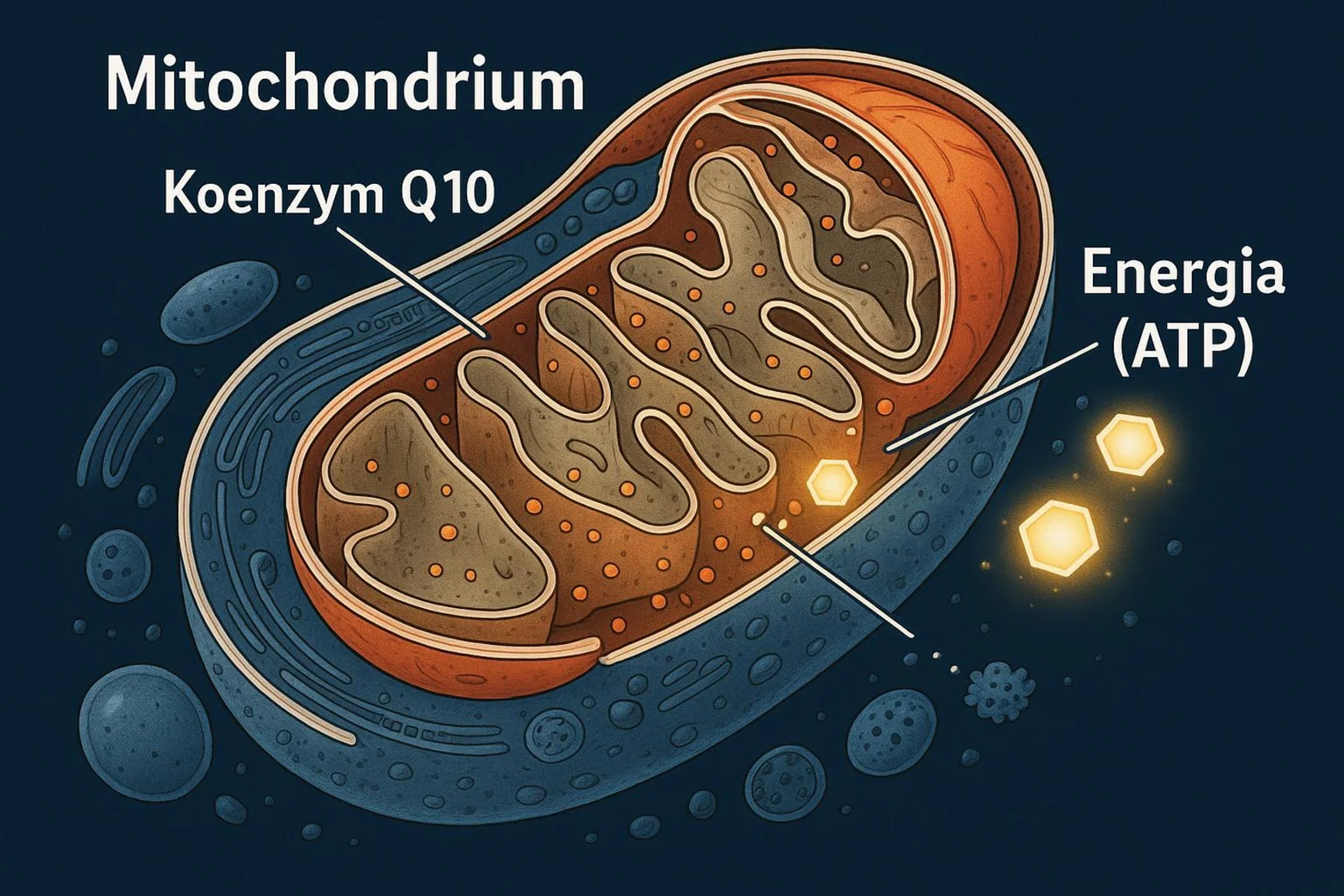
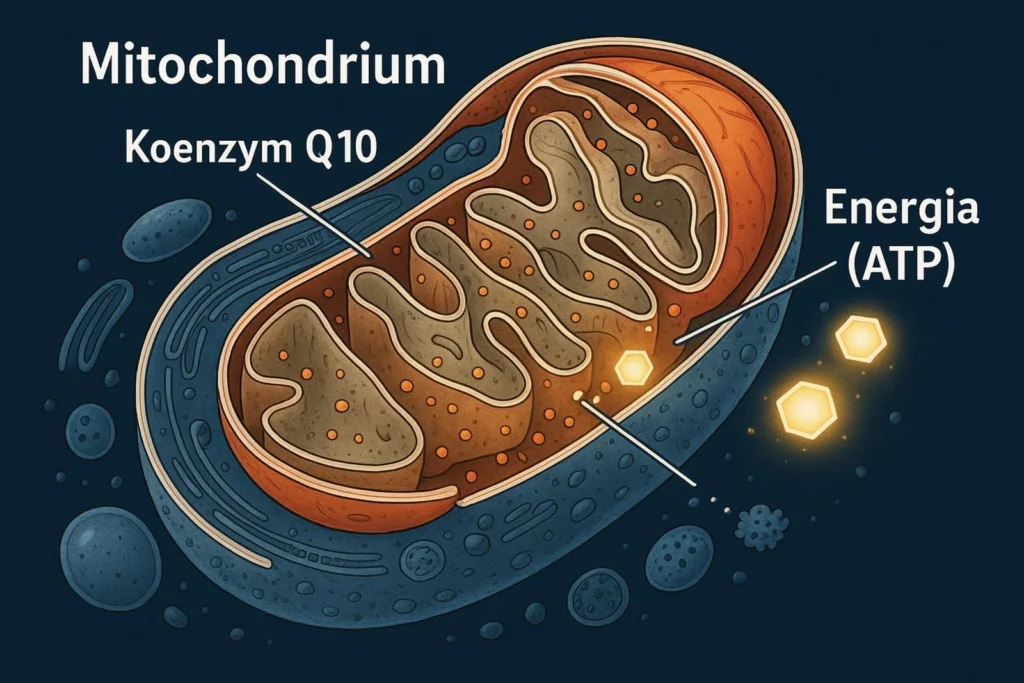
Q10 is responsible for producing energy in the mitochondria, where it helps to form ATP, the main “fuel” of cells. It is also involved in forming phosphorus compounds that are important for bones, teeth and bowel function. An adequate level of Q10 may support stamina, immunity and general wellbeing. A deficiency may affect the circulatory and immune systems and overall health.
Why coenzyme Q10 matters for skin health
Q10 matters a great deal for the skin, because it protects it from harmful factors both from outside and from within. Its level in the body falls with age, and also under the influence of stress and environmental factors. The highest concentration is seen at around the age of 19-21. After that the level drops, which contributes to wrinkles and weaker skin.
Q10 strengthens cell membranes, supports defence mechanisms and limits oxygen deprivation in cells. There is about 10 times more of it in the epidermis than in the dermis, which helps the skin stay firm, elastic and youthful-looking. No wonder it quickly found its way into anti-ageing cosmetics.
Properties of coenzyme Q10 in skincare
Q10 is an important skincare ingredient. It dissolves in fats and alcohol, so it is easy to add to creams, serums and masks. It tolerates heat and light well, which helps it stay stable and effective in finished products.
| Property | How it works | Effect on the skin |
| Antioxidant action | Neutralises free radicals, supports vitamin E | Less damage, slower ageing |
| Support for cellular energy | Takes part in ATP production | Better regeneration and renewal of the epidermis |
| Collagen protection | Inhibits collagen breakdown and the action of collagenase | Greater firmness and less visible wrinkles |
| Stronger barrier | Supports the hydrolipid layer | Better hydration and resistance to external factors |
Antioxidant action and protection against oxidative stress
Q10 acts as a powerful antioxidant. It reduces the number of free radicals produced by UV radiation, pollution and stress, among other things. This limits the formation of wrinkles, loss of firmness and deterioration of the complexion. It also helps to “renew” other antioxidants, such as vitamin E, prolonging their action.
Regular use of cosmetics with Q10 reduces oxidative damage and inflammation. It protects collagen from breakdown caused by free radicals. The skin becomes more resistant to external factors and its protective barrier is stronger.
Reducing wrinkles and supporting skin rejuvenation
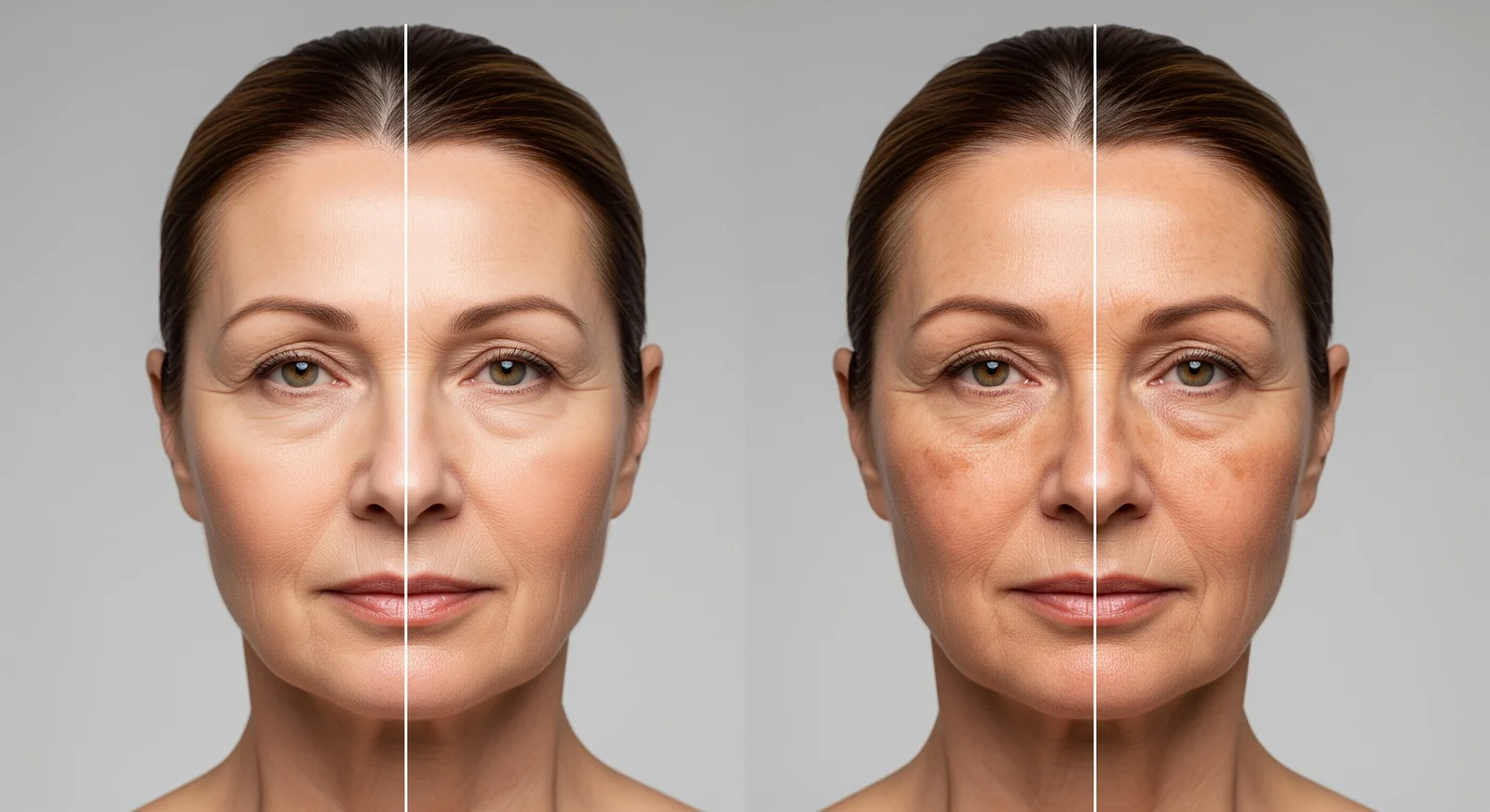
Q10 speeds up cell renewal and reduces the number of free radicals, which slows down skin ageing. Regular use of products with this ingredient can visibly soften fine lines and wrinkles.
Examples from studies: a cream with 0.3% ubiquinone, applied twice a day around the eyes for 6 months, reduced wrinkle depth by 27%. Other studies showed that after six months of daily use on the face, the size of ageing epidermal cells decreased to an extent corresponding to a “rejuvenation” of about 20 years. Q10 also limits the formation of collagenase, an enzyme that speeds up the breakdown of collagen.
Firming and improving skin elasticity
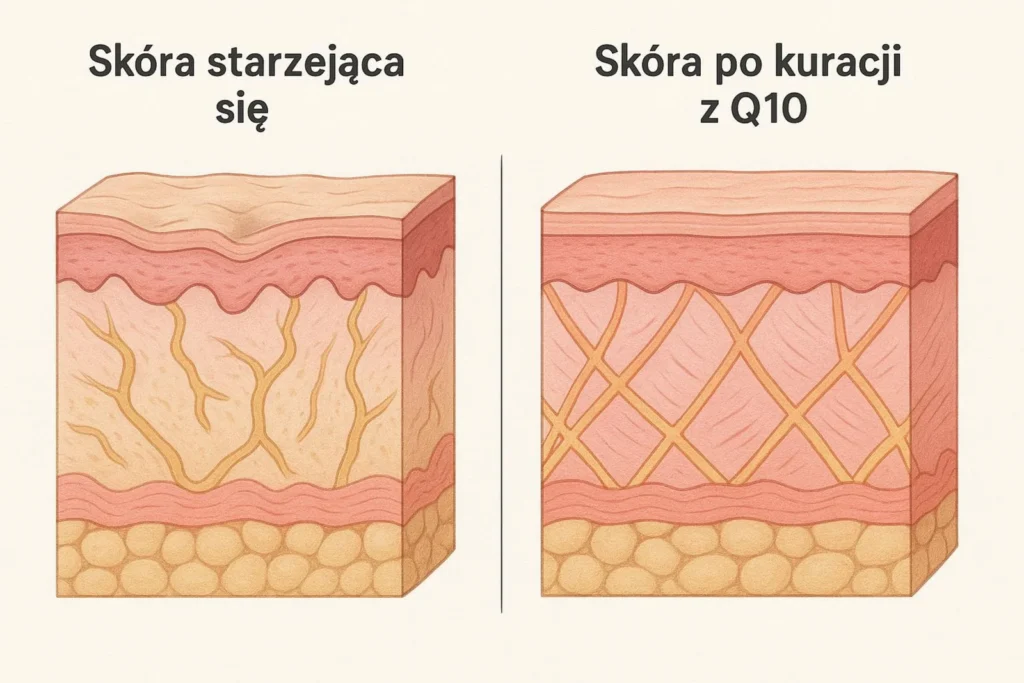
Q10 helps the production of collagen and elastin, the proteins responsible for the skin’s tautness and springiness. Their levels fall with age, which leads to sagging. Adding Q10 supports their synthesis, so the skin becomes firmer and more elastic.
It also strengthens the hydrolipid layer, the natural shield of the epidermis. This layer protects against wind, frost, chemicals and excessive water loss, which helps the skin stay hydrated and supple.
Supporting the regeneration of the epidermis
As an ingredient involved in energy production, Q10 supports the repair and renewal of skin cells. It speeds up the healing of minor damage, which is particularly helpful for irritated skin.
It also supports the skin’s natural cleansing of accumulated toxins. As a result, the complexion regenerates faster, becomes smoother and feels pleasant to the touch, and its appearance clearly improves. Q10 facilitates cellular respiration and metabolic processes, which promotes a healthy glow.
How does coenzyme Q10 work in cosmetics?
In cosmetics, Q10 works on many levels. It dissolves well in fats and is stable, so it is easy to add to creams, serums or masks. Once applied, it can pass through the stratum corneum, the outermost layer of the skin, into the deeper layers and support renewal and protection there.
What are the results of using products with coenzyme Q10?
Results usually appear fairly quickly and include:
- better-nourished, firmer and more supple skin,
- softer wrinkles, with new ones appearing more slowly,
- a healthier, livelier look, with more radiance and smoothness,
- better hydration and a stronger protective barrier,
- greater resistance to UV and free radicals (helping to prevent photoageing).
How coenzyme Q10 affects pigmentation and skin tone
Although Q10 is mainly associated with reducing wrinkles and with antioxidant protection, it can also help to even out skin tone. It helps with cell renewal and the skin’s natural cleansing, and its protection against oxidative stress and UV limits the formation of new dark spots. This is not its main job, but regular use of cosmetics with Q10 can contribute to a more even and radiant complexion.
Does coenzyme Q10 work for both mature and young skin?
Q10 works for people of different ages, but the goals may differ. For mature skin it helps to tackle wrinkles and loss of firmness and elasticity. It supports regeneration, hydration and nourishment.
In younger people it works mainly as prevention. Because Q10 concentration peaks at the age of 19-21 and falls after that, starting to use cosmetics with this ingredient earlier may delay the appearance of signs of ageing. Q10 also protects against free radicals and UV radiation and helps keep the complexion looking healthy. It won’t stop time, but it can help the skin age more slowly and look better cared for, more hydrated and more radiant.
Who should use cosmetics with coenzyme Q10?
Cosmetics with Q10 are a good choice for many people, not only as part of a typical anti-ageing routine. They support the skin day to day and when it is under greater environmental strain.
Who is skincare with Q10 recommended for?
- People with the first signs of ageing (fine lines, wrinkles, reduced firmness).
- Middle-aged and mature people (as their natural Q10 level falls).
- City dwellers exposed to smog and pollution.
- People who are often out in the sun (to help prevent photoageing).
- Anyone who wants to strengthen the skin barrier and support regeneration.
Contraindications to using coenzyme Q10 in cosmetics
Q10 is considered safe, well tolerated and non-toxic. It occurs naturally in the body, so the risk of allergy is low. Even so, it is worth taking care before introducing a new product.
If you have sensitive or allergy-prone skin, it is a good idea to do a patch test. Also check the full ingredient list to rule out other ingredients that may cause irritation. If in doubt, it is worth discussing your choice with a dermatologist, who will assess which products are right for your skin.
How should you use coenzyme Q10 in your daily skincare?
Adding Q10 to your routine is simple and can bring very good results. The most important things are regularity and choosing a formula that suits your skin’s needs. Many products with Q10 are available, so it is easy to fit them into your skincare plan.
Skincare routines: when and how should you apply products with Q10?
How often to use them depends on your skin’s needs and the type of product. Creams with Q10 are usually applied morning and evening to cleansed skin on the face, neck and décolletage. Serums (often with a higher concentration) are most often used once a day, for example in the evening, under a cream. Masks with Q10 can be used every few days or once a week.
Apply the products to well-cleansed skin. A gentle massage during application can improve absorption and microcirculation. Consistency is the key to visible and lasting results.
How can you combine coenzyme Q10 with other active ingredients?
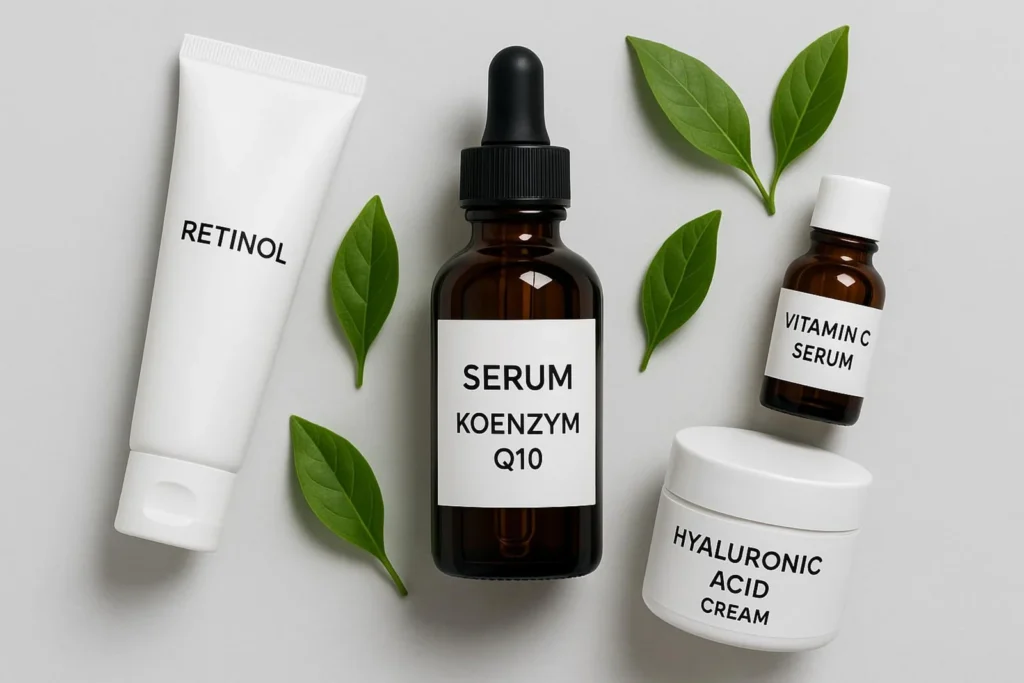
Q10 works well with many ingredients. As an antioxidant it pairs very well with vitamins C and E, strengthening protection against free radicals. A serum with vitamin C and Q10 can add radiance and nourishment to the complexion.
It can also be combined with retinol. The two make a popular duo in skincare for mature skin. Together with retinol and vitamin D, Q10 has a smoothing, moisturising and firming effect (e.g. Lirene Retinol D-Forte). Hyaluronic acid is a good addition, because it hydrates intensely and helps maintain springiness. It is worth choosing formulas that combine several of these ingredients in one product.
Common mistakes when using coenzyme Q10
The most common mistake is applying it irregularly. Q10 works best with consistent use. The second mistake is expecting instant results: some changes appear over time, so patience is needed.
Also, don’t ignore the manufacturer’s instructions on how often and how to use the product, especially with higher-concentration products. Each product may work slightly differently and need a different approach.
Coenzyme Q10 supplements versus topical use
Q10 can be supplied to the body in two ways: orally as a supplement and topically in cosmetics. Both methods have advantages and complement each other well, although they work on different levels.
Comparing the effectiveness of oral and topical use
Oral supplementation supports overall health. Q10 helps with energy production, supports the circulatory system, the heart and muscles, as well as immunity. It may reduce fatigue. It is recommended for older people (whose natural production falls), people with heart conditions, people taking statins (which can lower Q10 levels) and athletes. Q10 is found in foods such as meat (especially offal), fish (mackerel, salmon, sardines), nuts, seeds, vegetable oils (soybean, rapeseed) and vegetables (spinach, broccoli, cauliflower).
Topical use focuses on the skin. Q10 penetrates the deeper layers, acts as an antioxidant, supports regeneration and limits ageing processes where you need it. It reduces oxidative damage, slows collagen breakdown, protects against premature ageing and can soften wrinkles. Results become visible with regular use.
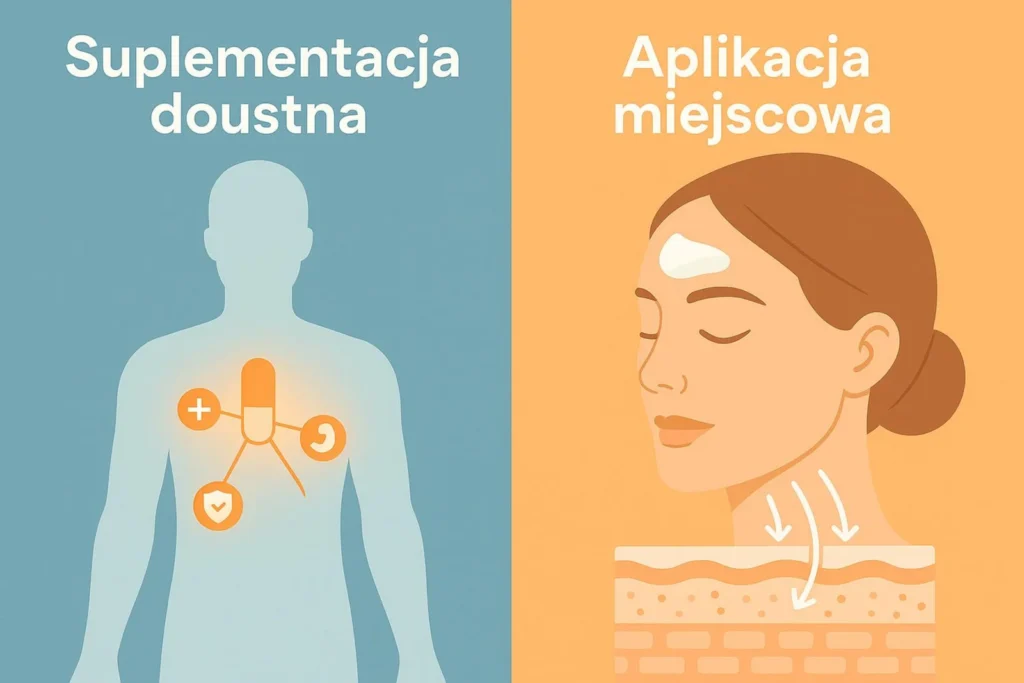
The two routes complement each other: supplements work “from within”, while cosmetics work “locally”, addressing the specific needs of the skin.
Summary of the key properties and benefits of using coenzyme Q10
Coenzyme Q10 is a valuable skincare ingredient, backed by research since its discovery in 1959. It combines antioxidant protection with support for cellular energy and skin repair, which helps you keep a youthful look for longer.
Key benefits of skincare with Q10
- Strong protection against free radicals: less damage, slower collagen loss and fewer wrinkles.
- Support for ATP production: faster renewal of the epidermis, better regeneration, a smoother complexion.
- A stronger hydrolipid barrier: better hydration and resistance to external factors.
- Greater firmness and elasticity: support for collagen and elastin synthesis, tighter skin and more defined contours.
- A healthier, more even skin tone and more radiance with regular use.
Q10 is a good choice for people who want to support the skin’s natural processes and visibly improve its condition, now and in the future.