



































Choosing a face cream can be difficult because there are so many products on the market. It is important to understand that no single cream suits everyone. A well-chosen product is the foundation of skincare: it moisturises, protects and meets your skin’s needs, supporting its natural processes. Whether you are dealing with excess sebum, dryness or sensitivity, the right cream acts as a shield against external factors and helps the skin renew itself. How do you find the one that gives your skin a healthy, fresh look?
Each skin type needs a different approach: dry skin needs intensive hydration, oily skin needs sebum control and sensitive skin needs soothing. Getting to know your skin type and the ingredients that suit it is the first step towards sensible skincare. Whether you prefer a light emulsion or a rich cream, treat choosing a product as an investment in the health and appearance of your skin.
Why does choosing the right face cream matter for skin health?
A face cream is part of your daily routine and affects the appearance and condition of your complexion. Every day your skin is exposed to pollution, UV radiation, temperature changes and wind. A well-chosen cream forms a protective layer, helps the skin cope better with these stresses and supports its natural renewal.
Moisturising alone is not enough. Your skincare should address your skin’s specific needs. Each skin type has its own challenges. Using products that do not match your skin, or the wrong ones altogether, can make its condition worse and cause new problems.
The most common effects of using the wrong cream
The wrong cream can do harm. For example, a heavy, oily formula on oily skin can increase sebum production, clog pores and encourage blackheads and acne. Instead of an improvement, the problems get worse.
On the other hand, a cream that is too light will not give dry skin the hydration it needs. The skin will stay tight, rough and dehydrated, and its protective barrier will be weaker and more prone to irritation. Even excellent ingredients will not help if the texture and type of formula do not suit your skin.
The benefits of skincare matched to your skin type
Matching your cream to your skin’s needs brings visible results. The skin becomes balanced: well hydrated, without excessive shine or tightness. Blemishes, irritation and redness appear less often. The complexion looks healthy, stays elastic and copes better with environmental stresses.
The right formula also helps the ingredients work better. Hyaluronic acid, ceramides, vitamins and antioxidants work more effectively, supporting renewal, slowing the signs of ageing and improving the overall condition of the skin. Your daily skincare then becomes simpler and more enjoyable.
How can you recognise your skin type?
Before you choose a cream, get to know your skin well. Your skin type determines what it needs. The easiest way to assess it is to cleanse your face and observe it for a short while. You can also do a simple tissue test. Remember that your skin type can change with age, diet, lifestyle and the seasons, so check its condition from time to time.
To do the tissue test, wash your face with a gentle cleanser, pat it dry and apply nothing for 30-40 minutes. Press a thin tissue to your forehead, chin and cheeks. If the tissue stays dry, you have dry or normal skin. If traces of sebum appear on the forehead and chin, you have combination skin. If there are oily marks on the cheeks as well, you have oily skin. Below you will find a description of each skin type.
| Skin type | What it looks like | Skincare goal | Cream texture | Key ingredients |
| Dry | Flaking, tightness, roughness | Hydration and nourishment | Thick, creamy | Hyaluronic acid, ceramides, shea butter, oils |
| Oily | Shine, enlarged pores | Sebum control and light hydration | Light, gel or fluid | Niacinamide, zinc, salicylic acid, green tea |
| Combination | Dry cheeks, oily T-zone | Balance between hydration and a matte finish | Light | Niacinamide, hyaluronic acid, glycerin |
| Sensitive | Redness, burning, discomfort | Soothing and barrier protection | Gentle, simple formula | Panthenol, allantoin, aloe, centella, squalane |
| Normal | Smooth, elastic, trouble-free | Maintaining balance | Light to medium-rich | Hyaluronic acid, vitamins C and E, Q10 |
Features of dry skin
Dry skin tends to be thin, less elastic and pale pink. It often flakes, especially after contact with water and soap. It feels tight and can be rough and sensitive. It reddens easily, reacts with irritation and may show pigmentation. Its condition usually gets worse in winter.
A weakened hydrolipid barrier means the skin is less able to protect itself from external factors. Fine lines caused by dehydration show up on it sooner. The priorities are intensive hydration and nourishment to rebuild the protective barrier.
Signs of oily skin
Oily skin produces a lot of sebum, so it shines mainly in the T-zone (forehead, nose, chin). The pores are visible and prone to clogging, which encourages blackheads and acne. This skin type also needs hydration: when it lacks moisture, it often defends itself by producing even more sebum.
It has advantages too: it is usually thicker and ages later. In skincare, what matters is sebum control, mattifying and light hydration. Avoid heavy, comedogenic formulas.
How to recognise combination skin
Combination skin has features of both dry and oily skin. On the cheeks it may be normal or dry, while the T-zone tends to get oily and develop blackheads. It often reacts to the weather, water and cleansers, and at the same time shines on the forehead, nose and chin.
It needs a mixed approach: moisturising but light products, plus products that regulate sebum in the T-zone. Using different products on different areas of the face often works well, for example a mattifying serum on the forehead and nose and a more nourishing cream on the cheeks.
Tips for sensitive skin
Sensitive skin reacts easily to external and internal factors. It often turns red, burns, itches and feels uncomfortable. Its protective barrier is weakened, so it reacts more quickly with irritation to skincare products, water or changes in temperature.
Choose gentle, hypoallergenic formulas without fragrance or colourants and with a simple ingredient list. Aloe, panthenol, chamomile and centella asiatica work well. Focus on strengthening the barrier and avoid strong active substances.
Characteristics of normal skin
Normal skin is smooth, elastic and well hydrated. It has no enlarged pores, blackheads or excessive shine. The skin tone is even and irritation is rare. Even so, it needs regular care to keep its balance.
A cream for normal skin should moisturise and lightly nourish, protecting the skin during the day and supporting renewal at night. Light formulas with antioxidants and ingredients that retain moisture are a good choice.
How do you choose a face cream for your skin type?
Once you know your skin type, it is time to choose a cream. How well it works depends on the ingredients and the texture. No single formula works for everyone. Look for products designed for your skin’s needs and pay attention to the quality and concentration of the ingredients.
Read the labels and the INCI ingredient list: the closer an ingredient is to the top of the list, the more of it the product contains. Avoid substances that irritate you, such as denatured alcohol, parabens, colourants and strong fragrances. A simpler, “shorter” ingredient list often works better. Remember also that different problems can appear within one skin type, so choose a cream for your current needs.
Creams for dry skin: ingredients and recommendations
Dry skin needs hydration and nourishment because its barrier is weakened and it loses water easily. Look for humectants (which bind water) and emollients (which form a protective layer that reduces evaporation).
On the ingredient list, look for: hyaluronic acid, ceramides, shea butter, plant oils (jojoba, avocado, almond, argan), glycerin, urea, vitamins E and A. The cream can be thicker, even slightly greasy. Avoid alcohol.
The right cream for oily skin: which ingredients should you choose?
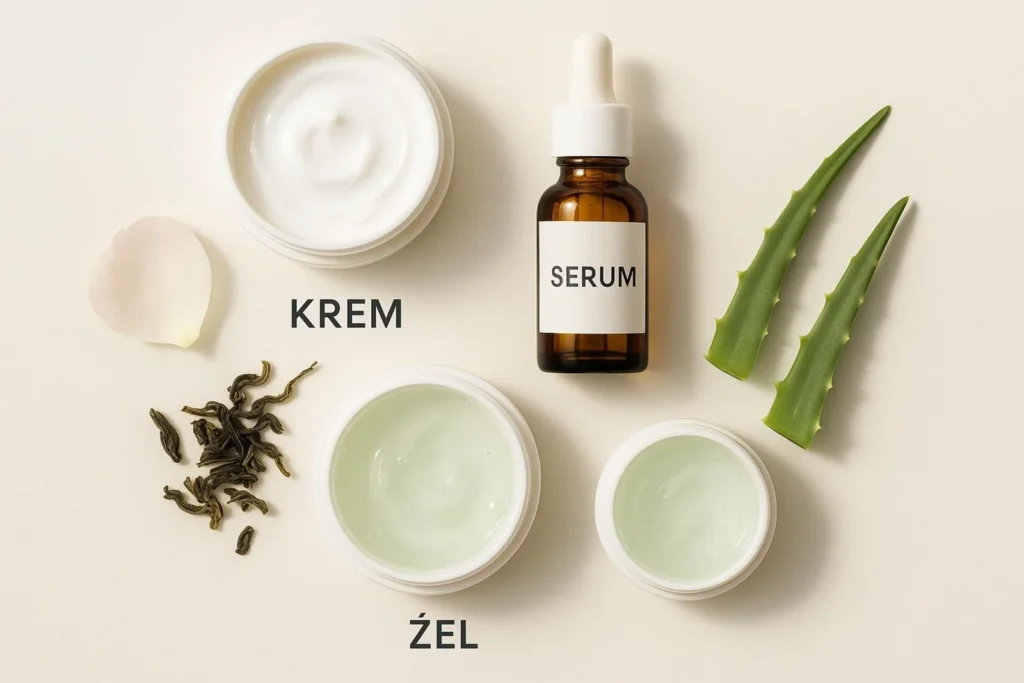
With oily skin, the priorities are sebum control, a matte finish and light hydration. Gel formulas or fluids work well: they absorb quickly and do not leave a greasy layer. Avoid heavy, comedogenic formulas.
Choose: niacinamide (B3) (regulates sebum, refines pores, soothes inflammation), salicylic acid (cleanses pores), zinc (astringent and regulating), green tea extract (an antioxidant), as well as light humectants.
Matching a cream to combination skin
Here, what counts is the balance between different areas of the face. Light formulas that moisturise the drier areas without weighing down the T-zone are the most suitable. Look for sebum-regulating ingredients (niacinamide, zinc) and moisturising ones (hyaluronic acid, glycerin) in non-comedogenic formulas.
“Multi-creaming” can help: a light, mattifying product on the T-zone and a richer one on the cheeks.
Caring for sensitive skin: what should you watch out for?
Go for hypoallergenic creams with a short, simple ingredient list, without strong fragrances, colourants, denatured alcohol, strong acids or retinoids (unless these are versions for sensitive skin and you introduce them slowly).
Look for ingredients that soothe and strengthen the barrier: aloe, panthenol (B5), allantoin, chamomile, centella asiatica, beta-glucan, squalane, gentle oils.
Which creams work well for normal skin?
Normal skin needs care that keeps it in good condition and prevents future problems. Light but nourishing formulas that absorb quickly are the better choice.
Look for: hyaluronic acid, vitamins C and E, coenzyme Q10, light oils (e.g. grapeseed or sunflower oil) and plant extracts. For daytime, it is good to have UV protection.
Other things to consider when choosing a face cream
Skin type is not everything. Skin changes with age, the seasons, lifestyle, diet and sometimes even the time of day, so it pays to be flexible when choosing products. Remember that a cream is part of your whole skincare routine and should work together with the other steps.
Think about whether you need stronger protection in winter, lighter formulas in summer or support against the signs of ageing. Day and night creams have different jobs. UV filters are needed all year round. Together, these elements make up a skincare plan tailored to you and help you get good results.
Age and skin needs: when should you change your cream?
Your skin’s needs change with age. Teenage skin often has acne and excess sebum, so light, balancing and moisturising formulas are better. Around the age of 25, the production of collagen, elastin and hyaluronic acid starts to fall. This is a good time to reach for products that boost hydration and to introduce your first antioxidants.
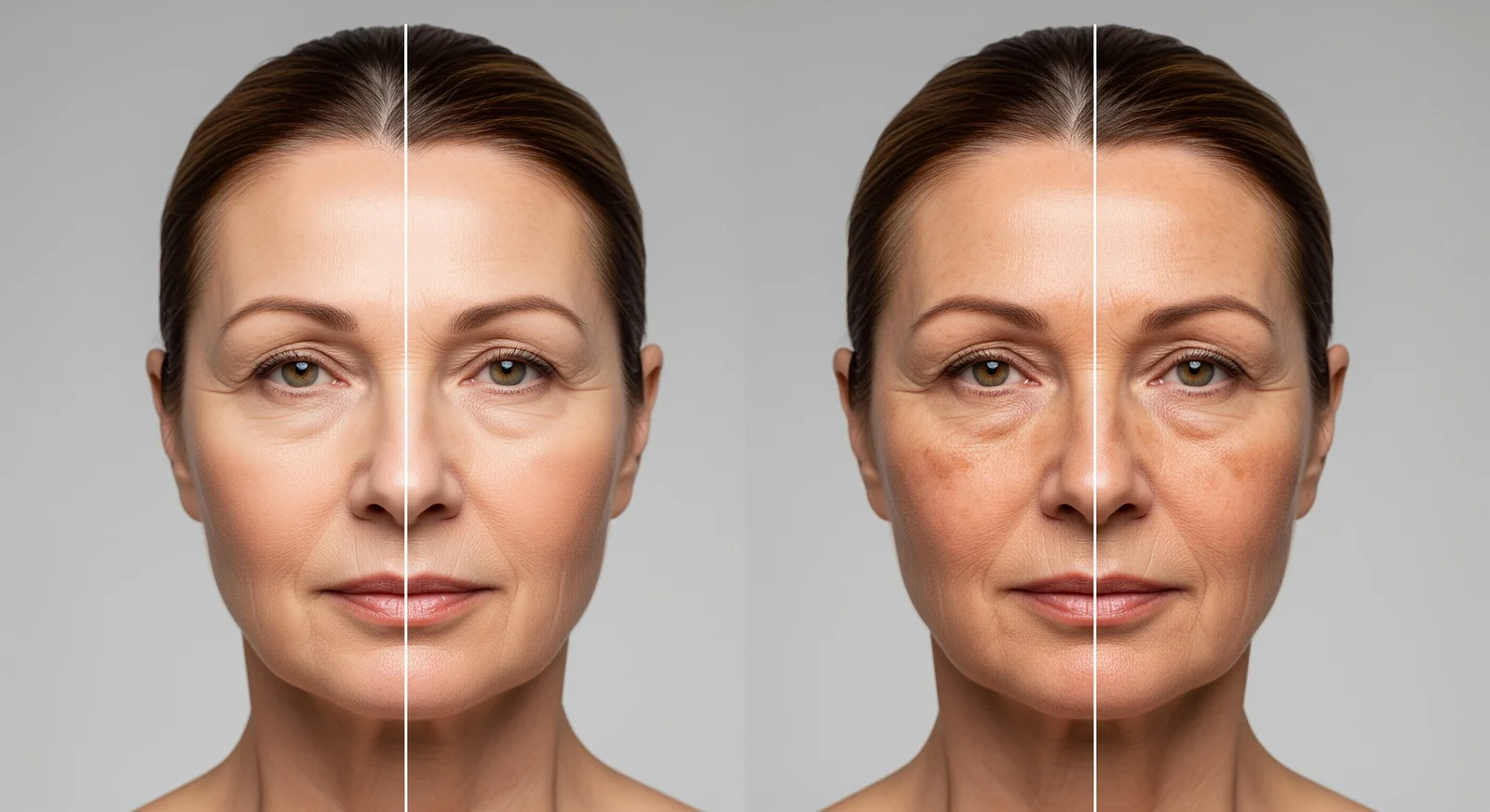
Mature skin, with visible wrinkles and loss of firmness, needs stronger regeneration, nourishment and stimulation. Look for retinol, peptides, Q10, collagen, elastin, hyaluronic acid and antioxidants. These creams are usually richer. Watch your skin and switch products when its needs change.
Do day and night creams work differently?
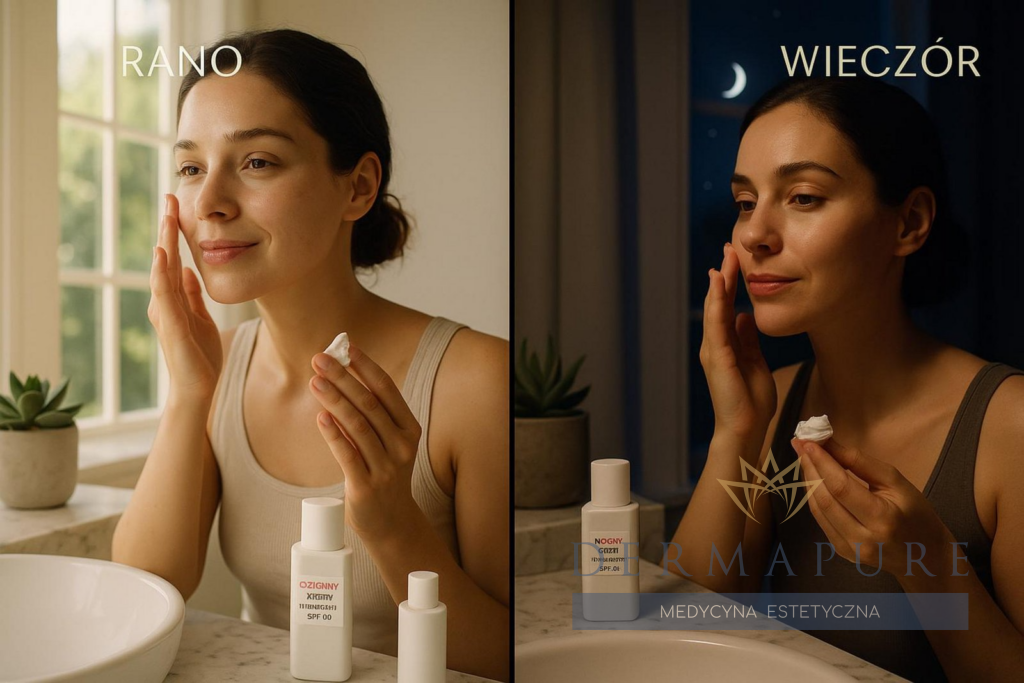
Yes. During the day, the skin is exposed to UV, smog, wind and dry air. A day cream is there to protect: it often contains UV filters and antioxidants (C, E, Q10) and has a light texture that works well under makeup.
At night, the skin renews itself intensively. Night creams support this process: they are richer and contain active ingredients such as retinol, acids, peptides and ceramides. Use retinol and acids in the evening, and in the morning use a cream with SPF.
Why UV filters in face creams matter
Sun protection is essential for everyone, in every season. UVA and UVB radiation speeds up ageing, encourages pigmentation and increases the risk of skin cancer.
A day cream should have an SPF of at least 30, and 50 in summer or with greater sun exposure. UV reaches the skin even on cloudy days. UV filters protect collagen and elastin, helping to maintain a youthful appearance.
How do you match a cream to the season?
Weather conditions change what your skin needs. In winter, when it is cold, windy and dry, choose richer creams with shea butter, oils and ceramides. They help rebuild the barrier and retain moisture. Don’t forget SPF either.
In summer, go for light formulas that moisturise without weighing the skin down, plus a high SPF. Antioxidants give extra protection against photoageing. In spring, switch to lighter products, and in autumn bring in more nourishing ones to prepare your skin for winter.
What should you avoid when choosing a face cream?
What matters is not only what a cream contains but also what it is better off without. Some ingredients can irritate the skin or make it worse, especially for people with sensitive skin or skin conditions. It is worth reading ingredient lists carefully.
The skin is the largest organ, and everything we put on it affects how it looks. Less is often more: a simpler formula can be better than a product full of additives. Check the ingredients before you buy and, if you can, test a sample.
Undesirable ingredients in creams for different skin types
Watch out for the following groups of ingredients, especially with certain skin types:
- Denatured alcohol (Alcohol Denat., Ethanol): Gives a quick degreasing effect, but strongly dries and irritates the skin, weakening the barrier. It can increase sebum production. Particularly unsuitable for dry and sensitive skin and skin prone to broken capillaries.
- Strong fragrances and colourants: These often cause irritation and allergies. It is better to choose fragrance-free creams or ones with a mild fragrance listed at the end of the ingredient list.
- Parabens: Preservatives that raise concerns; very sensitive people prefer to avoid them.
- Mineral oils (Paraffinum Liquidum, Mineral Oil, Petrolatum): In larger amounts they can clog pores, which is bad for oily and acne-prone skin. They protect but do not nourish.
- Silicones (e.g. Dimethicone, Cyclopentasiloxane): In excess they form an occlusive layer and may encourage blackheads. In small amounts and in light formulas, they are usually fine.
- High concentrations of acids and retinoids: Effective, but in excessive doses or without preparing the skin, they cause irritation, especially on sensitive or dry skin and skin prone to broken capillaries. Introduce them slowly and watch how your skin reacts.
Possible allergic reactions and testing a new cream
When you start using a new cream, an allergic reaction or irritation may occur. To reduce this risk, it is a good idea to do a patch test: apply a small amount of the product behind your ear, on your wrist or on the inner forearm.
Watch the skin for 24-48 hours. If there is no redness, itching, burning, rash or swelling, you can use the cream on your whole face. Very sensitive people can ask for a sample or buy a smaller pack to test. Remember that even natural ingredients can cause allergies.
How do you match a face cream to skin problems?
Besides their skin type, many people have additional challenges: acne, pigmentation, redness, rosacea or signs of ageing. In that case, it is worth choosing products that target the specific problem, in formulas that suit your skin type.
For example, a brightening cream for dry skin will be different from one for oily skin: the ingredients and texture differ. If in doubt, it is a good idea to consult a dermatologist or cosmetologist, who will help you choose products and put together a complete skincare plan.
Creams for acne-prone skin and skin with broken capillaries
Acne-prone skin needs light creams that do not clog pores, regulate sebum and have an anti-inflammatory effect. Look for: salicylic acid (BHA), niacinamide, zinc, green tea extract. Hydration is a must to avoid drying the skin out.
Skin with broken capillaries has visible, dilated capillaries and a tendency to redness. It needs its blood vessels strengthened and protected. Look for: vitamin C, horse chestnut extract, butcher’s broom, arnica, rutin, as well as soothing ingredients (aloe, panthenol, azelaic acid). Avoid strongly warming substances and rubbing the skin.

Choosing a cream for pigmentation and redness
Pigmentation needs ingredients that brighten and even out skin tone: vitamin C, azelaic acid, kojic acid, arbutin, niacinamide. High protection with SPF 50 is also essential to stop new spots from forming.
Redness needs soothing and a stronger barrier. Helpful ingredients include: centella asiatica, aloe, panthenol, bisabolol, green tea, niacinamide. For rosacea, anti-inflammatory ingredients also work well, e.g. metronidazole (on prescription) and azelaic acid.
Options for mature and dehydrated skin
Mature skin needs support against wrinkles and loss of firmness. These work well: retinol, peptides, hyaluronic acid, coenzyme Q10, vitamins C and E, ceramides. The formulas are usually richer.
Dehydrated skin can affect any skin type. It lacks water, so it feels tight and rough, is less elastic and has fine lines caused by dryness. Choose creams with hyaluronic acid (different molecular sizes), glycerin, urea, ceramides, squalane, plant oils. Choose the texture according to your preferences and how dehydrated your skin is. Hydration matters at every age.
The most common mistakes when choosing a face cream
We often buy a cream because of an advert or a recommendation, without thinking about what our skin needs. We also sometimes give up on a product too soon, before the skin has had time to adjust. That is a waste of money and risks making the skin worse.
Skincare takes time and consistency. The first clear results usually show after a few weeks of regular use. Knowing the typical mistakes helps you avoid them and choose products better.
Ignoring your skin’s needs and seasonal changes
Many people use the same creams all year round, regardless of the weather or changes in their skin’s condition. Yet the skin reacts to temperature, humidity, diet, stress and hormones.
In winter it needs richer, protective formulas. In summer, lighter creams and a high SPF. A heavy nourishing cream on oily skin in summer can clog pores, while a light fluid on dry skin in winter will not protect it from drying out. Watch your skin and adjust your skincare as you go.
Practical tips: how can you make your face cream work better?
Choosing the cream is half the job. How you use it and how consistent you are matter too. Skincare is a whole process: what counts is not only the formula but also regularity, the order of the steps and how you apply the product.
Even a very good cream will not work if you do not use it regularly or if you skip cleansing, toning and serum. These steps prepare the skin to take in the cream and improve how it works. Give it time: your skin will reward you with a better appearance.
Why regular use matters
Consistency brings results. Even an expensive, modern cream will not help if you only use it “on special occasions”. The skin needs time to adapt and renew. Changes usually show after a few weeks, and with pigmentation or wrinkles, sometimes only after a few months.
Use your cream every day, morning and evening, on cleansed and toned skin. This helps the ingredients reach where they are needed and work more effectively. Make it a regular ritual.
The cosmetologist’s role in choosing the right product
If you feel lost among all the products and do not know what to choose, ask a specialist for help. A cosmetologist will assess your skin type and its current needs and point out any problems that need attention.
You will get recommendations not just for a cream but for your whole routine: serum, toner and the other steps, so they work together. The specialist will also tell you which ingredients to look for and which to avoid, and suggest treatments that complement your home skincare. A consultation like this is a good investment in healthy, well-cared-for skin.